
.jpg)

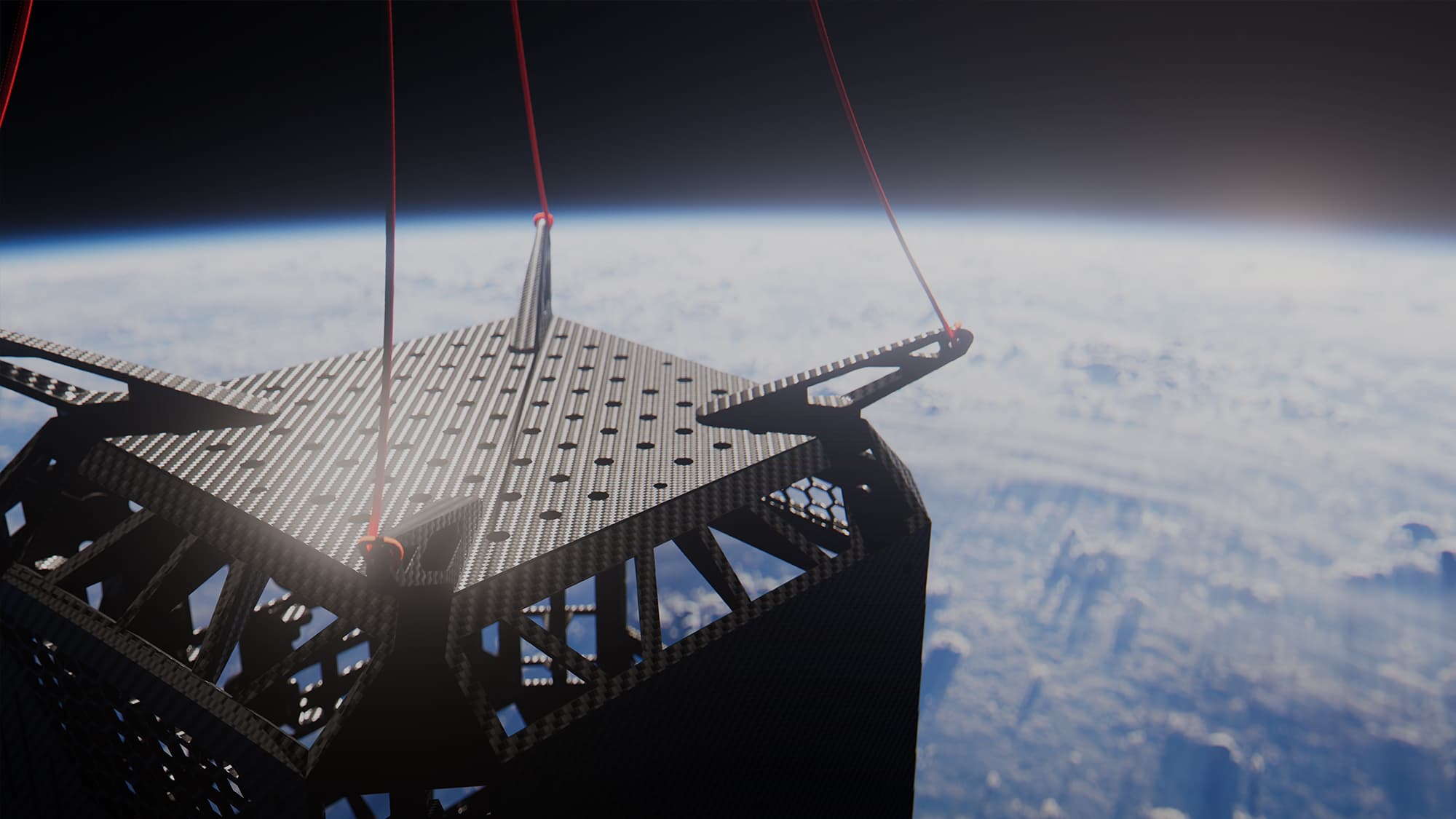
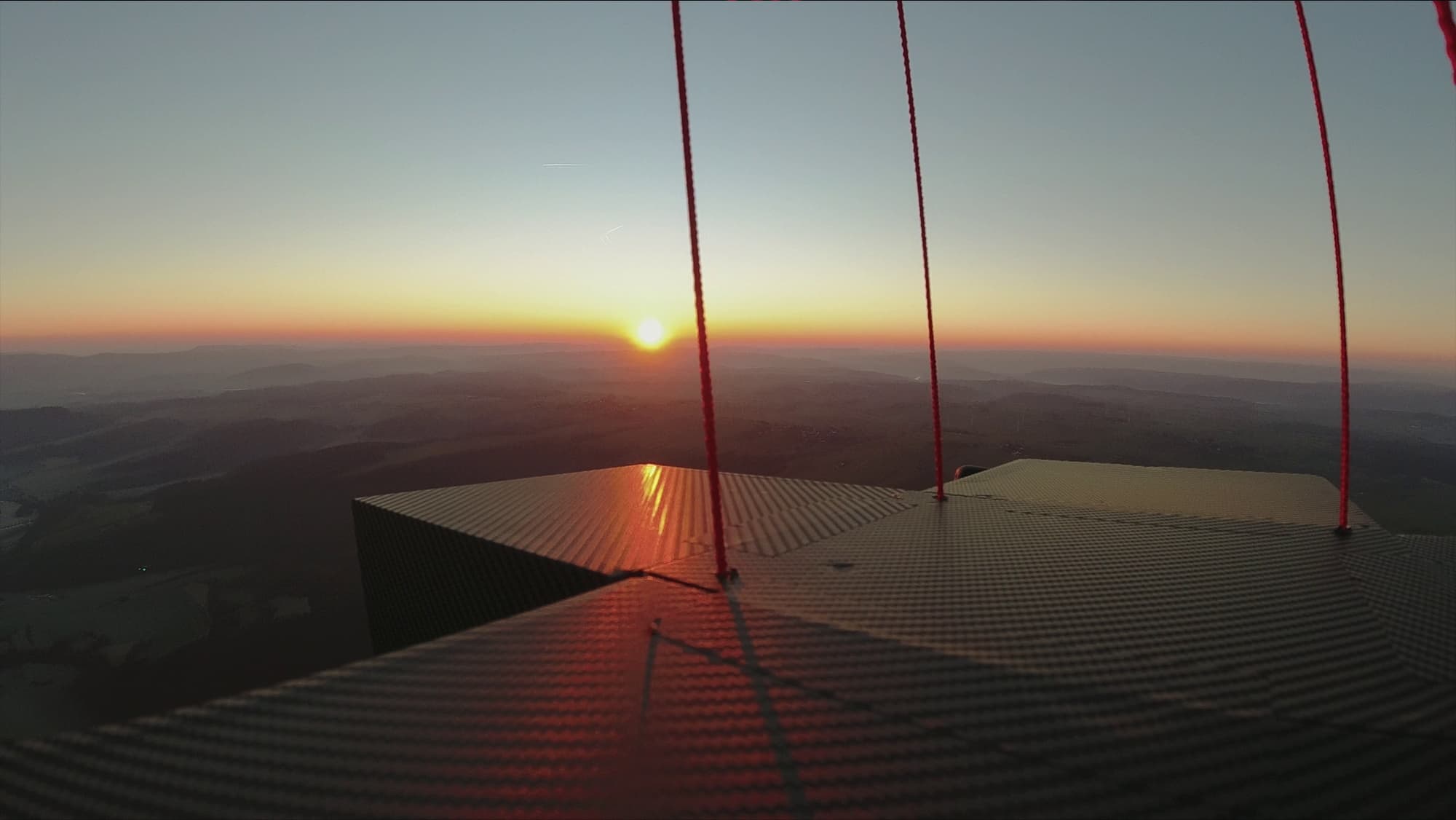
Objects, cameras, and experiments can now be sent into space without rockets. Stratospheric balloon flights use high-altitude weather balloons to carry custom payloads into near-space environments, reaching altitudes of up to 40 kilometres. From this perspective, Earth’s curvature becomes visible, the sky turns black, and truly unique visual and data-driven opportunities emerge.
This approach allows companies, filmmakers, and research teams to send to space cameras, branded objects, and technical equipment in a controlled, recoverable, and cost-efficient way.
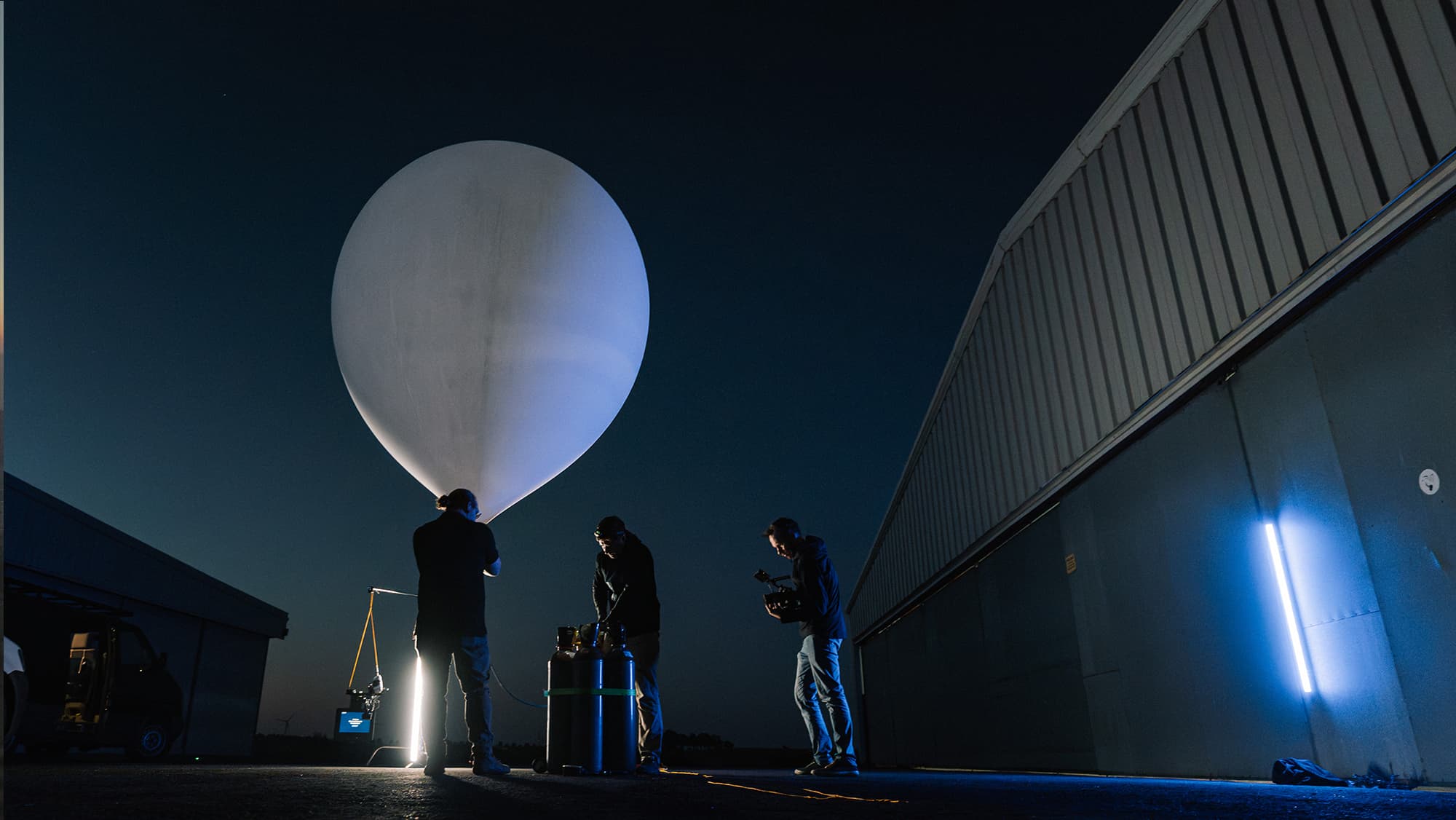
When a payload is sent into space via a stratospheric balloon, it is lifted gradually through the atmosphere until it reaches the stratosphere. At peak altitude, the balloon expands and finally bursts, allowing the payload to return safely to Earth by parachute. A gps tracker enables us to recover the payload. For many commercial and creative projects, this is the most practical way to send to space physical objects and recording systems.
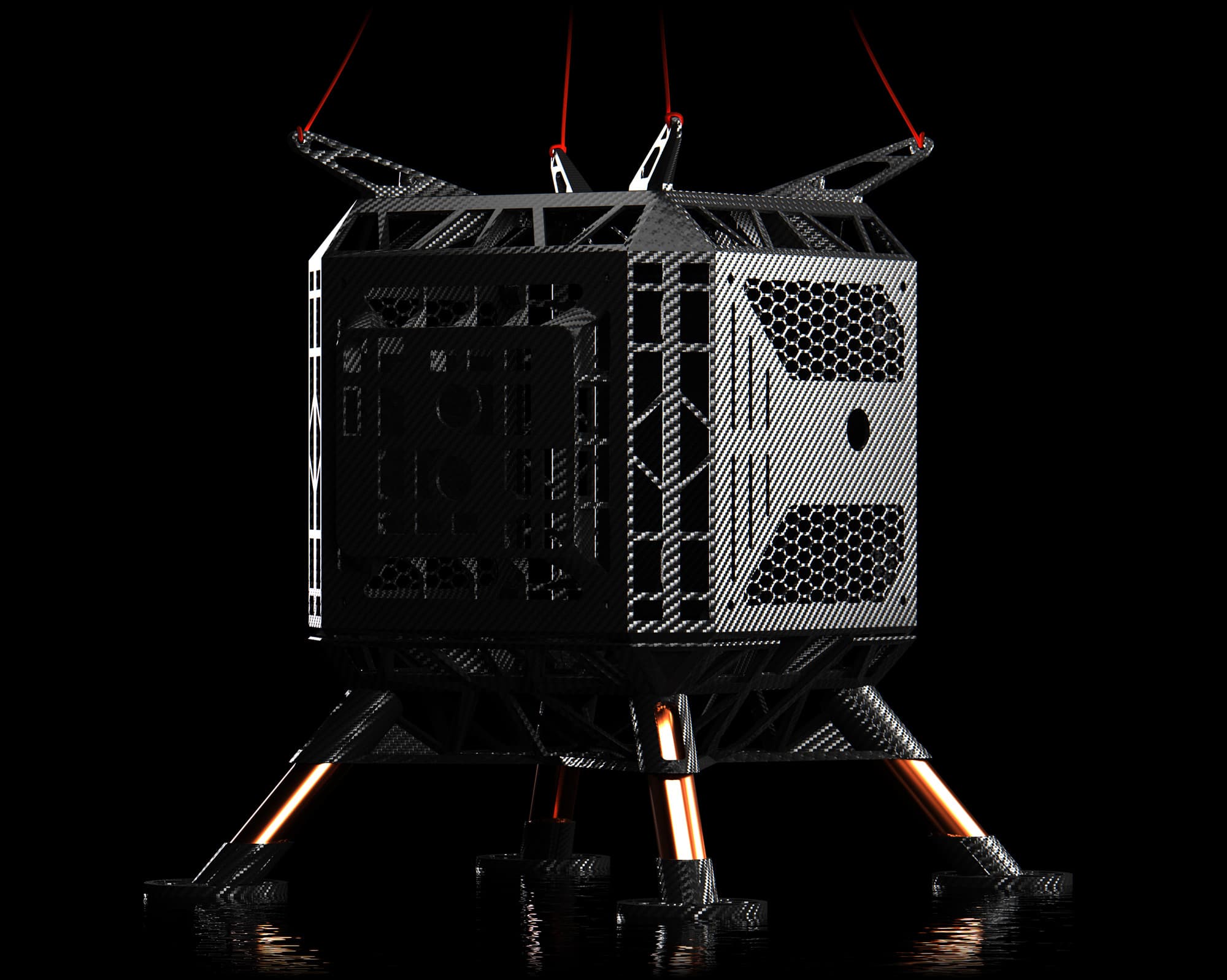
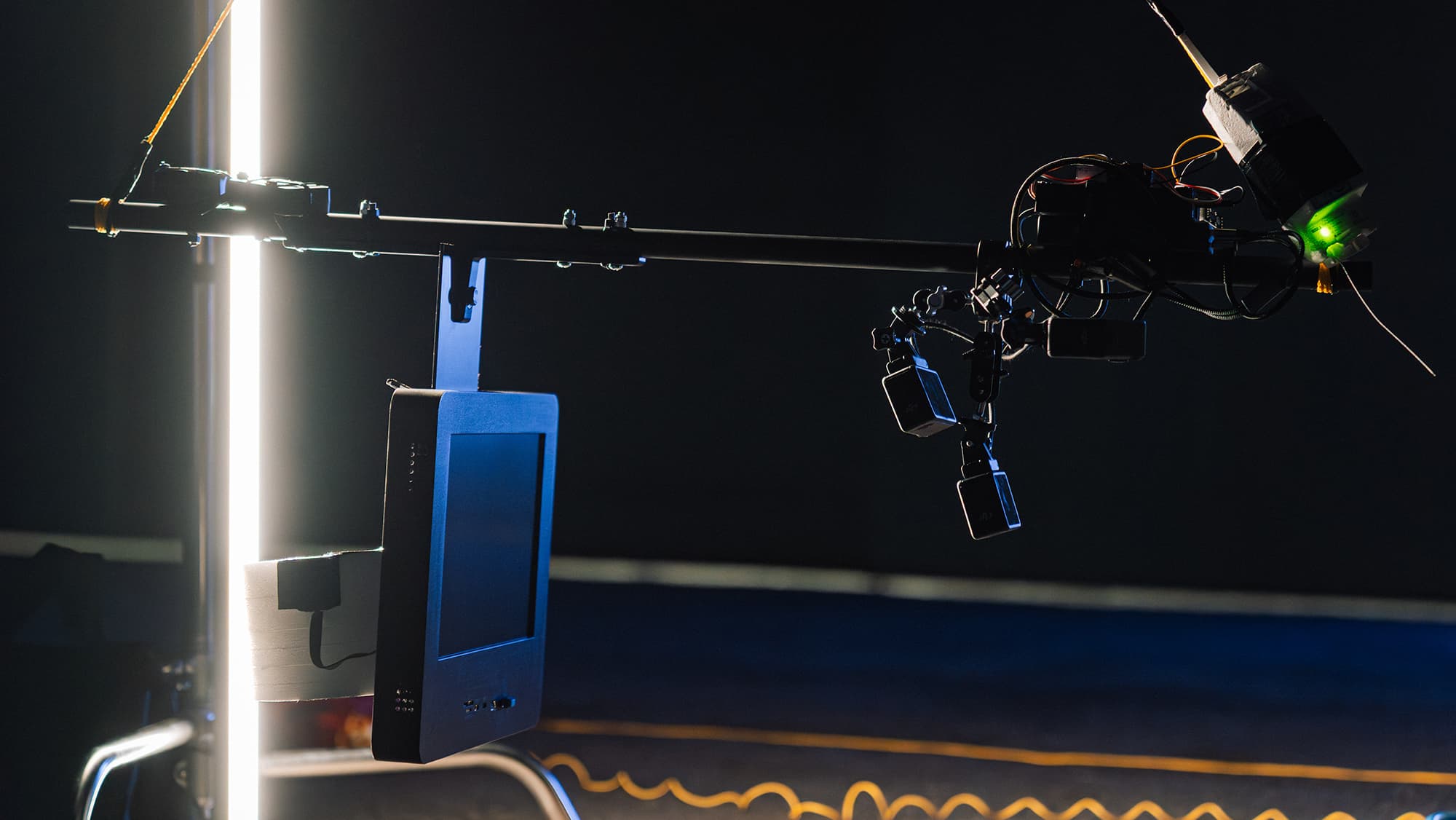
Our STRATOcapsule was developed to provide the best possible carrier system, capture reliable footage at altitudes of up to 40,000 meters, and ensure a safe landing afterwards.
| PAYLOAD | 3.5 kg |
| POSSIBLE CAMERA PERSPECTIVES | 4 |
| ASCENSION SPEED | 4 - 5 m/s |
| AVERAGE FLIGHT ALTITUDE | 36 - 38 km |
| COMBUSTION EMISIONS | 0 |





Stratospheric balloons are highly flexible. Typical payloads that are sent into space include:
Each mission is designed to capture the perfect footage for your brand. Our engineering team ensures that what is sent to space performs reliably and will be filmed in front of the beautiful background of our earth.
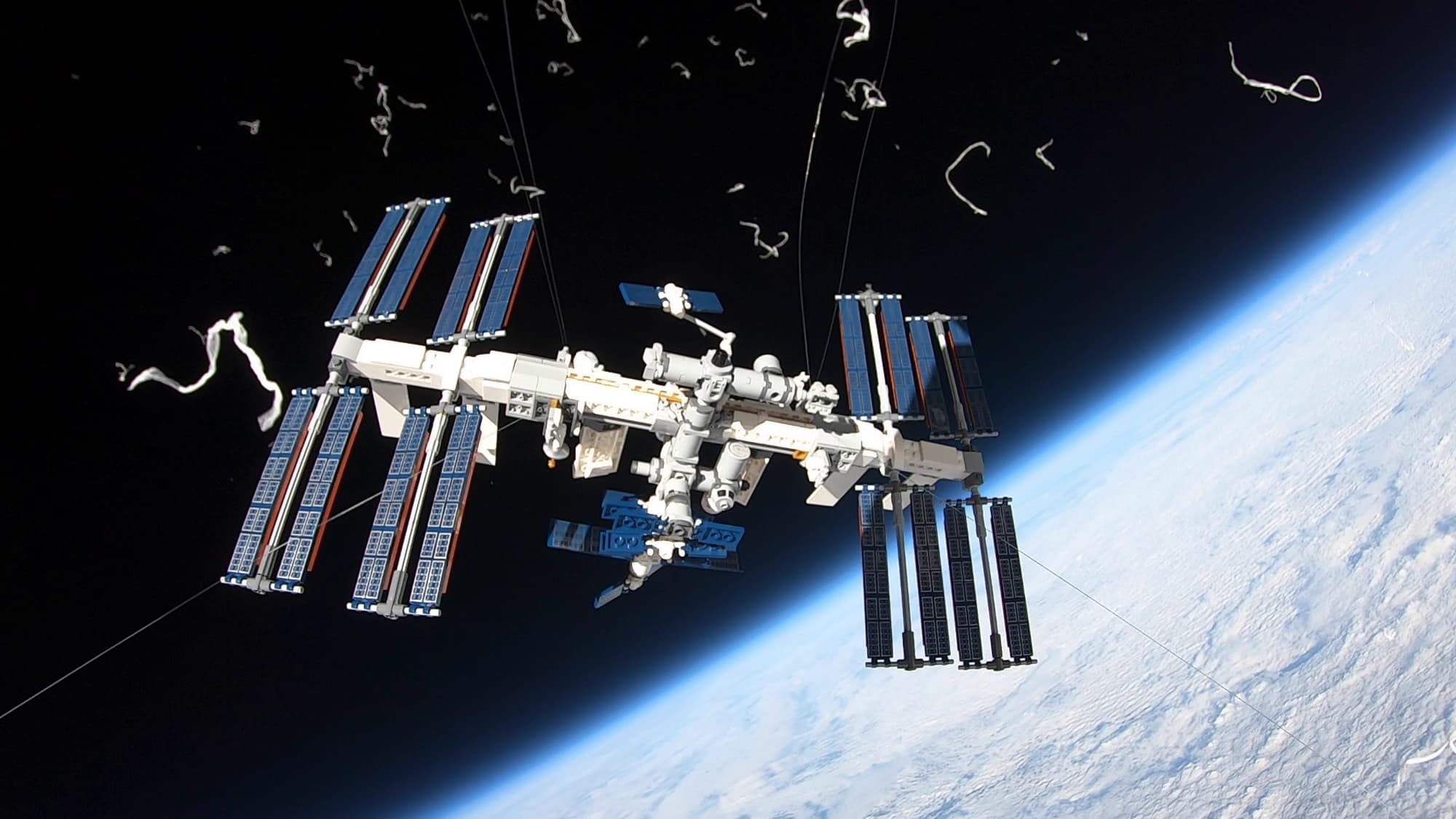
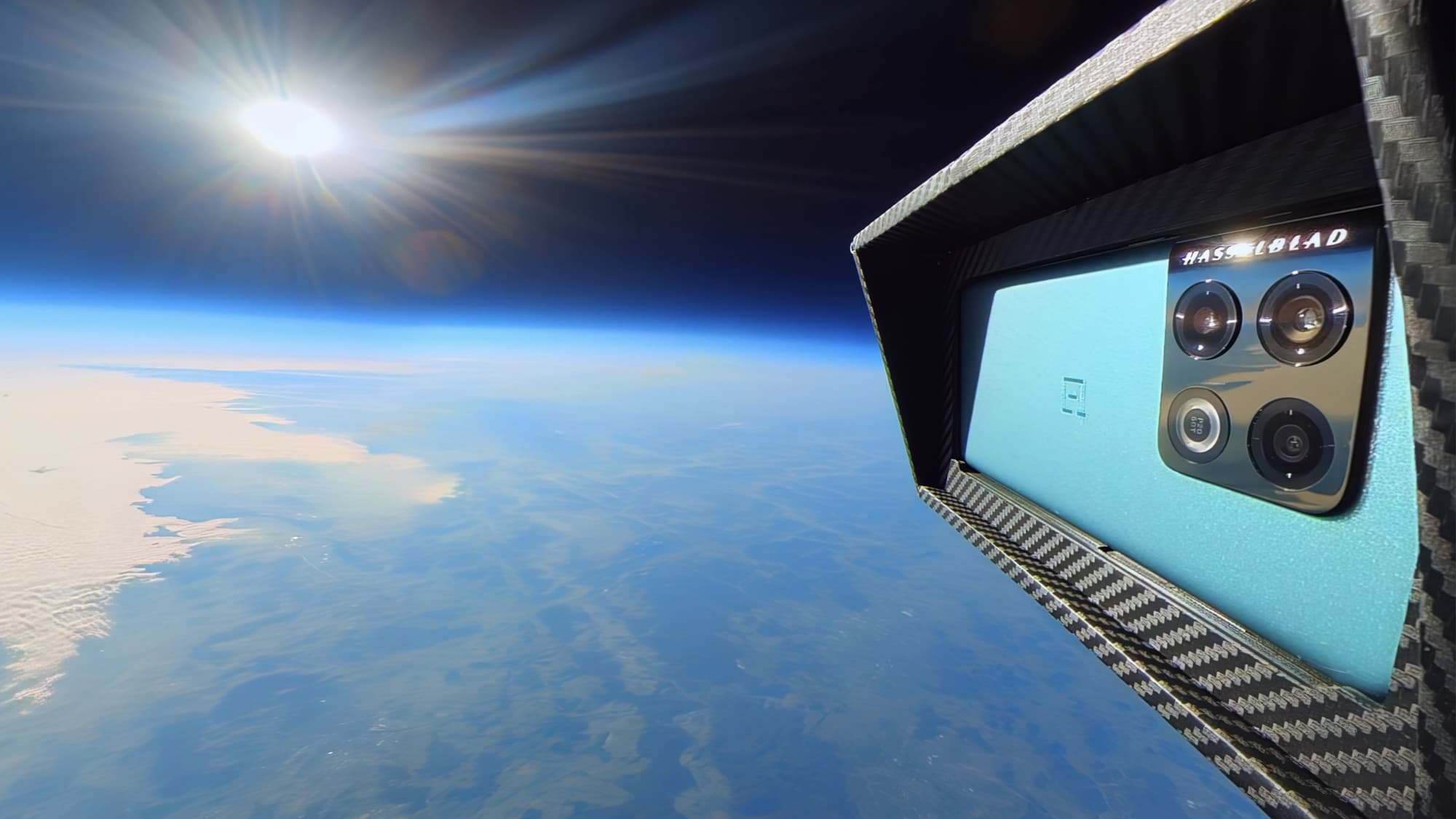
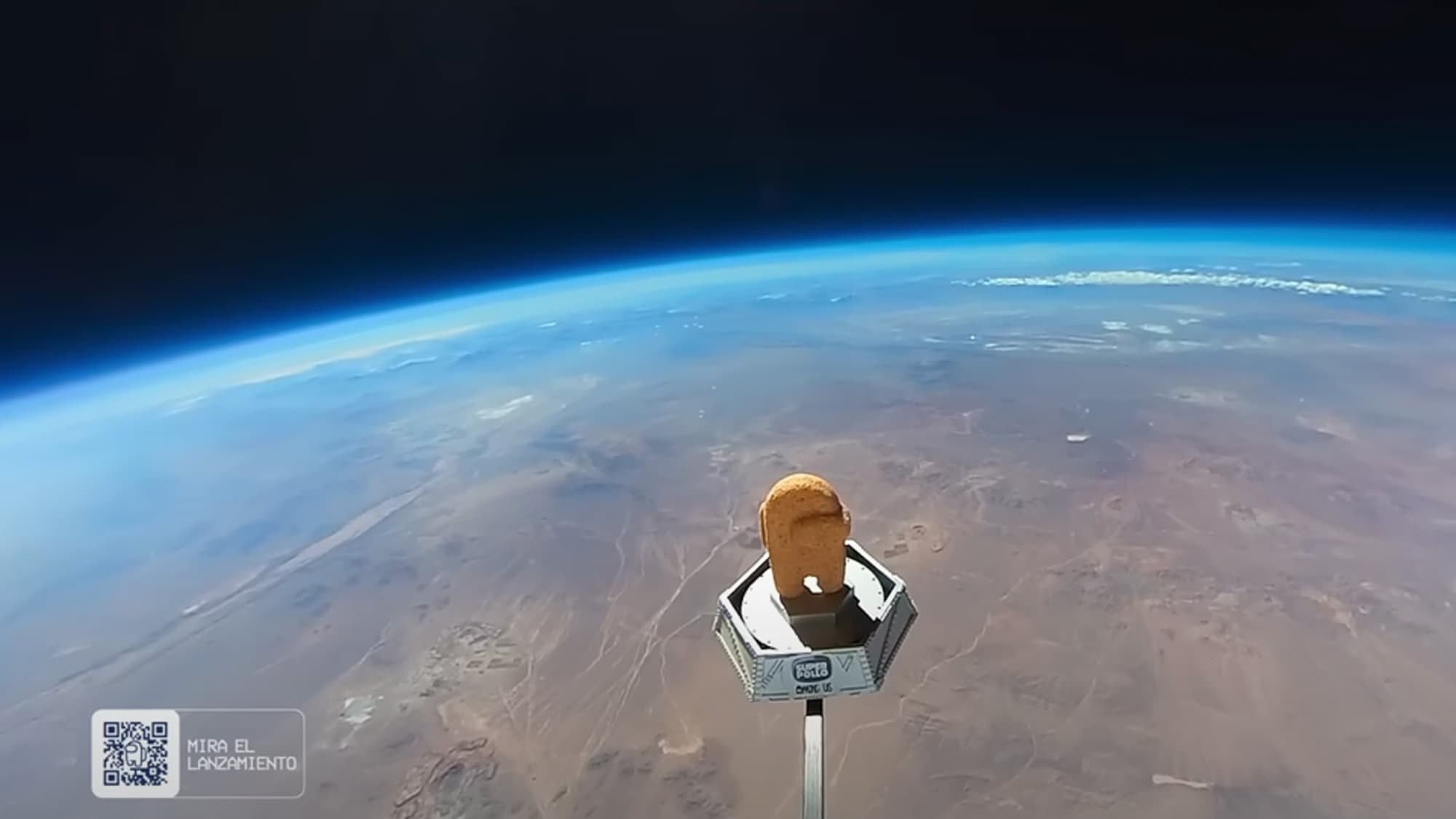
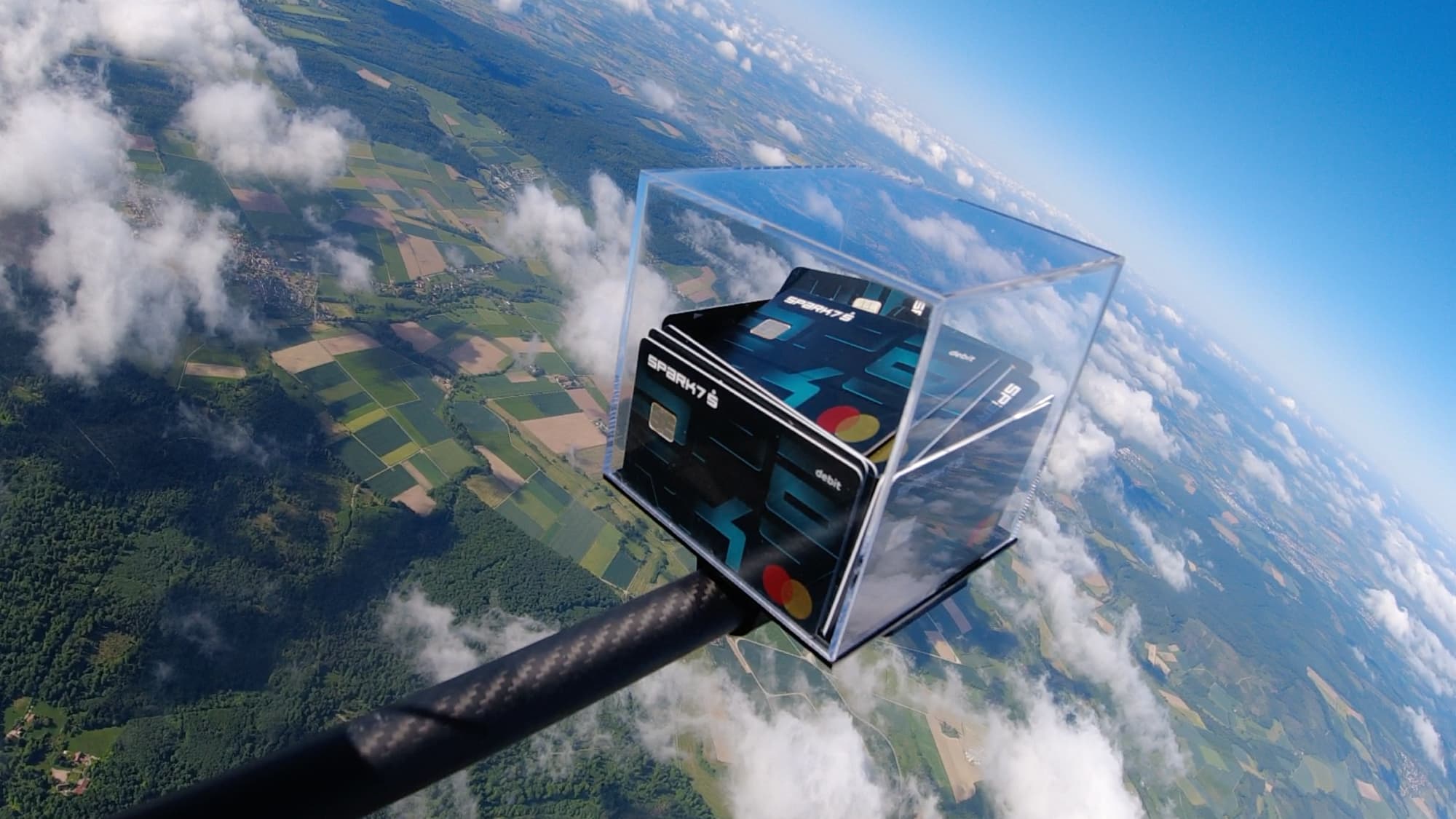
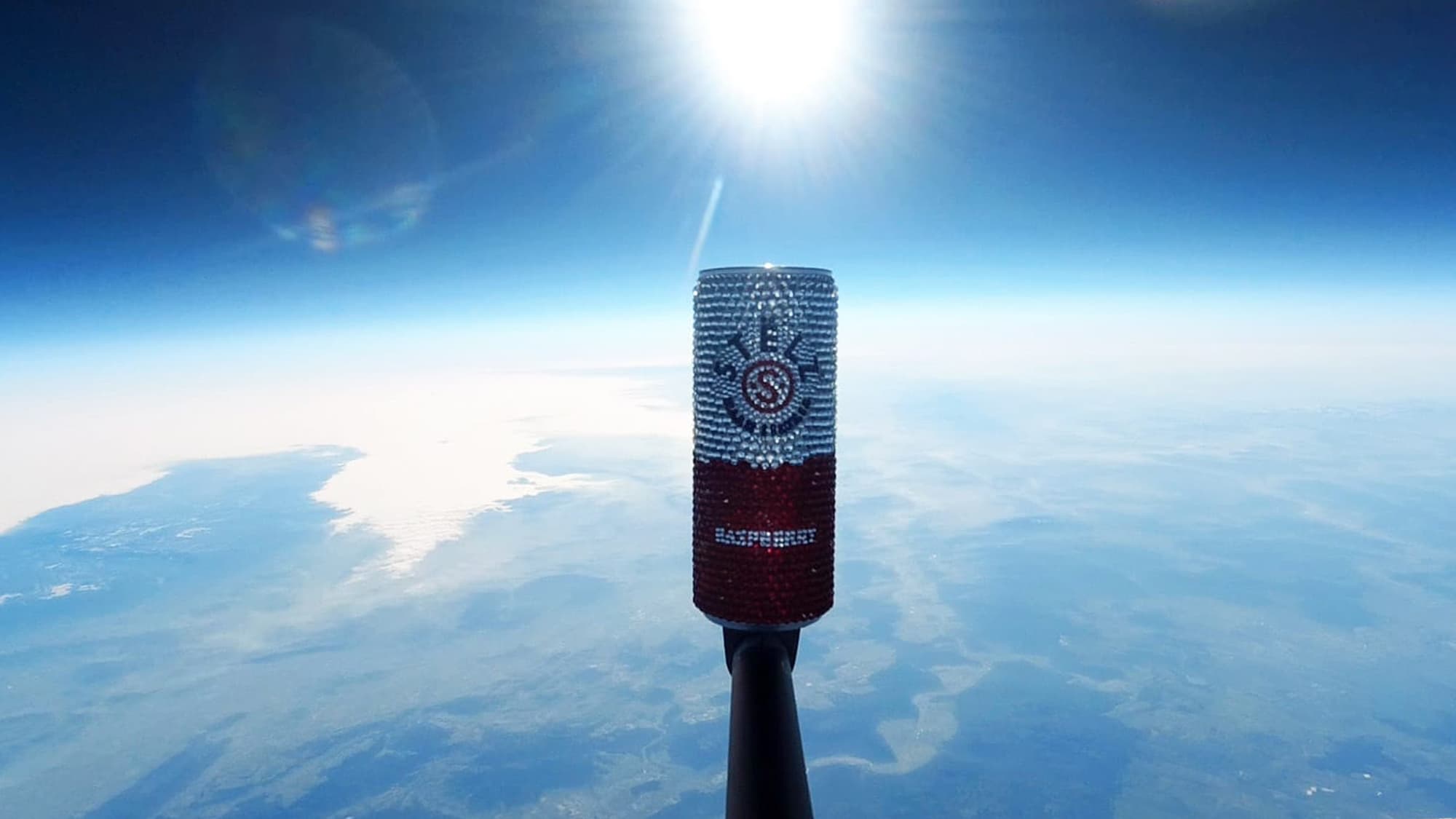
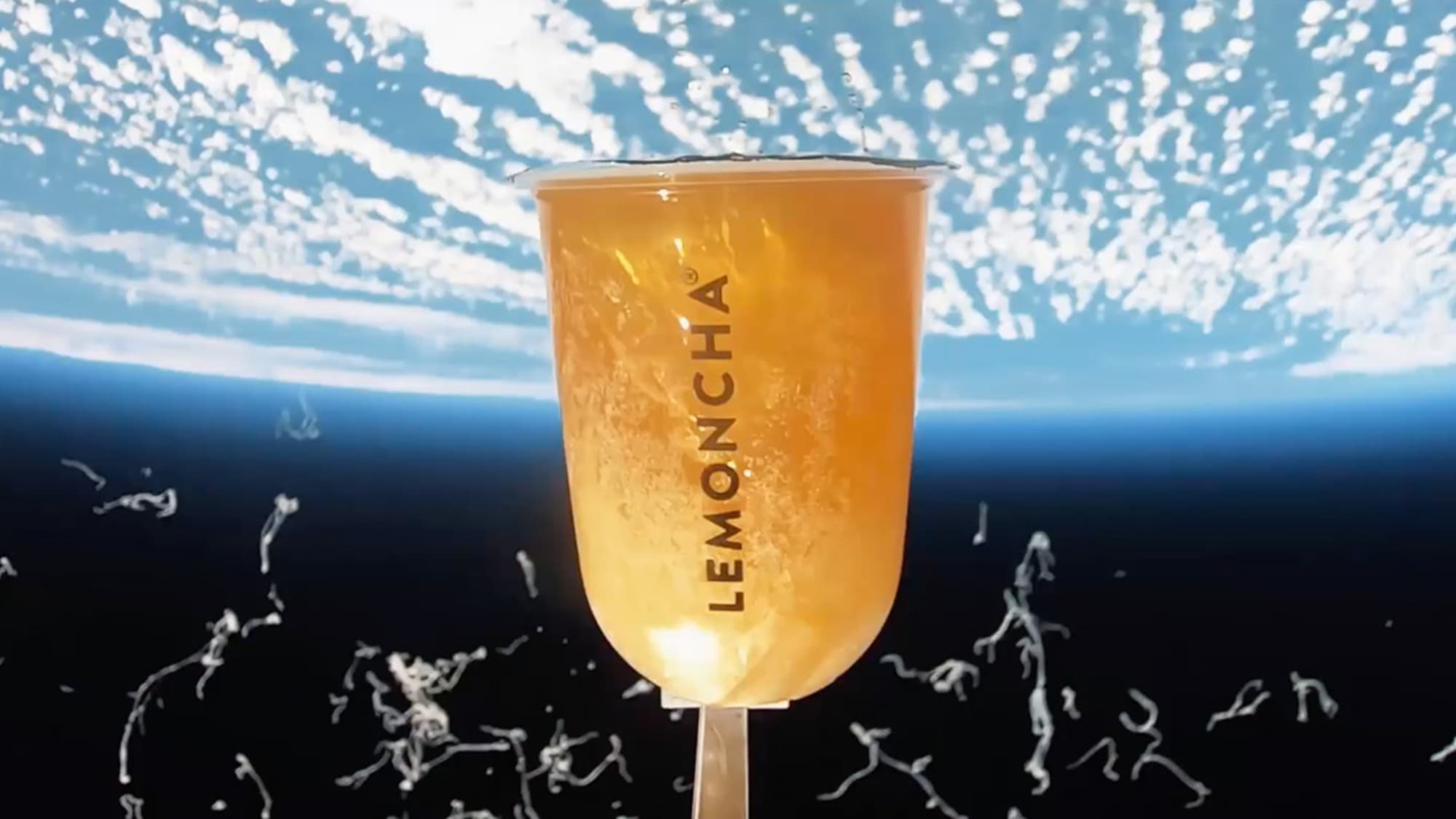
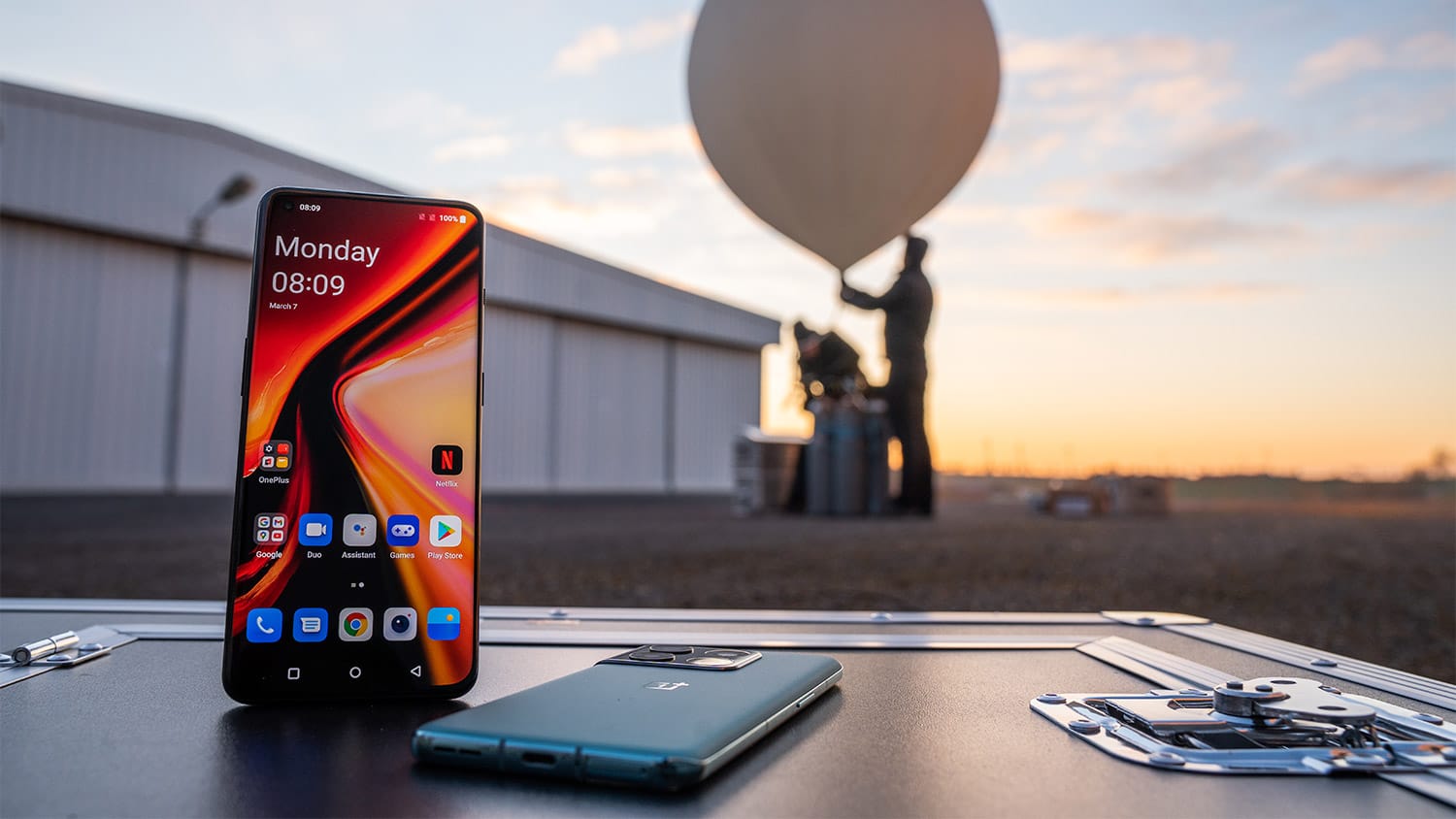
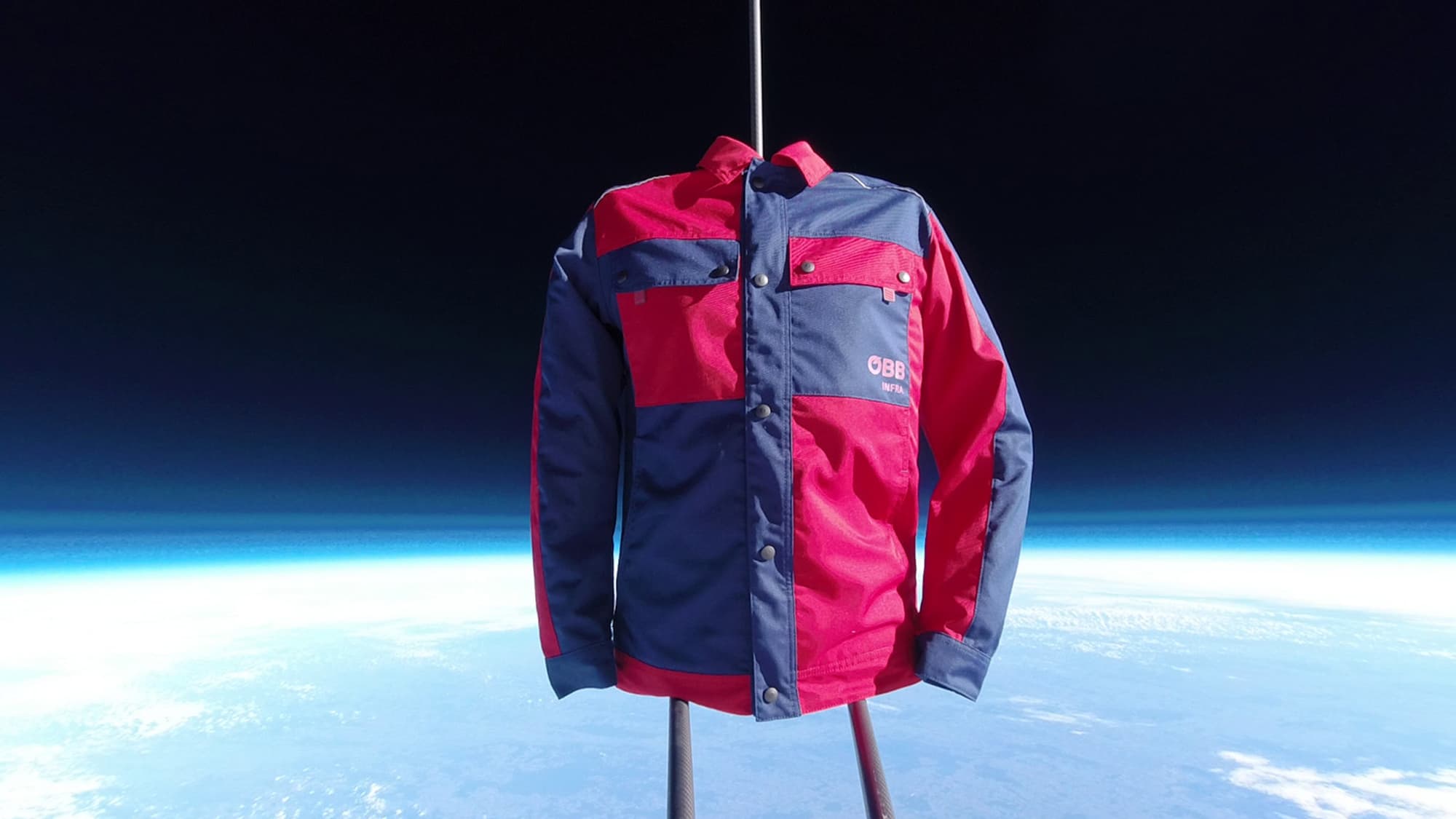
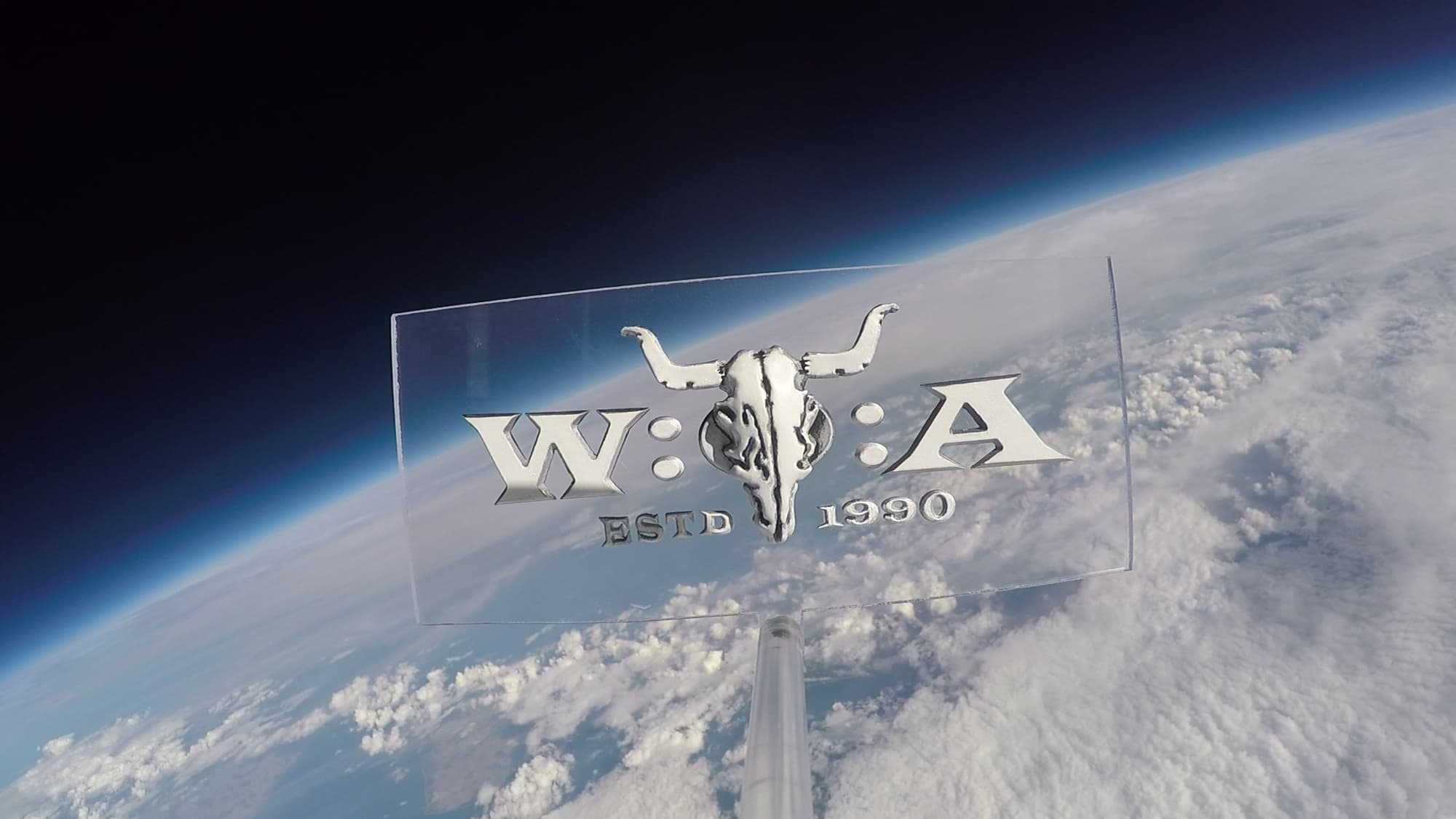
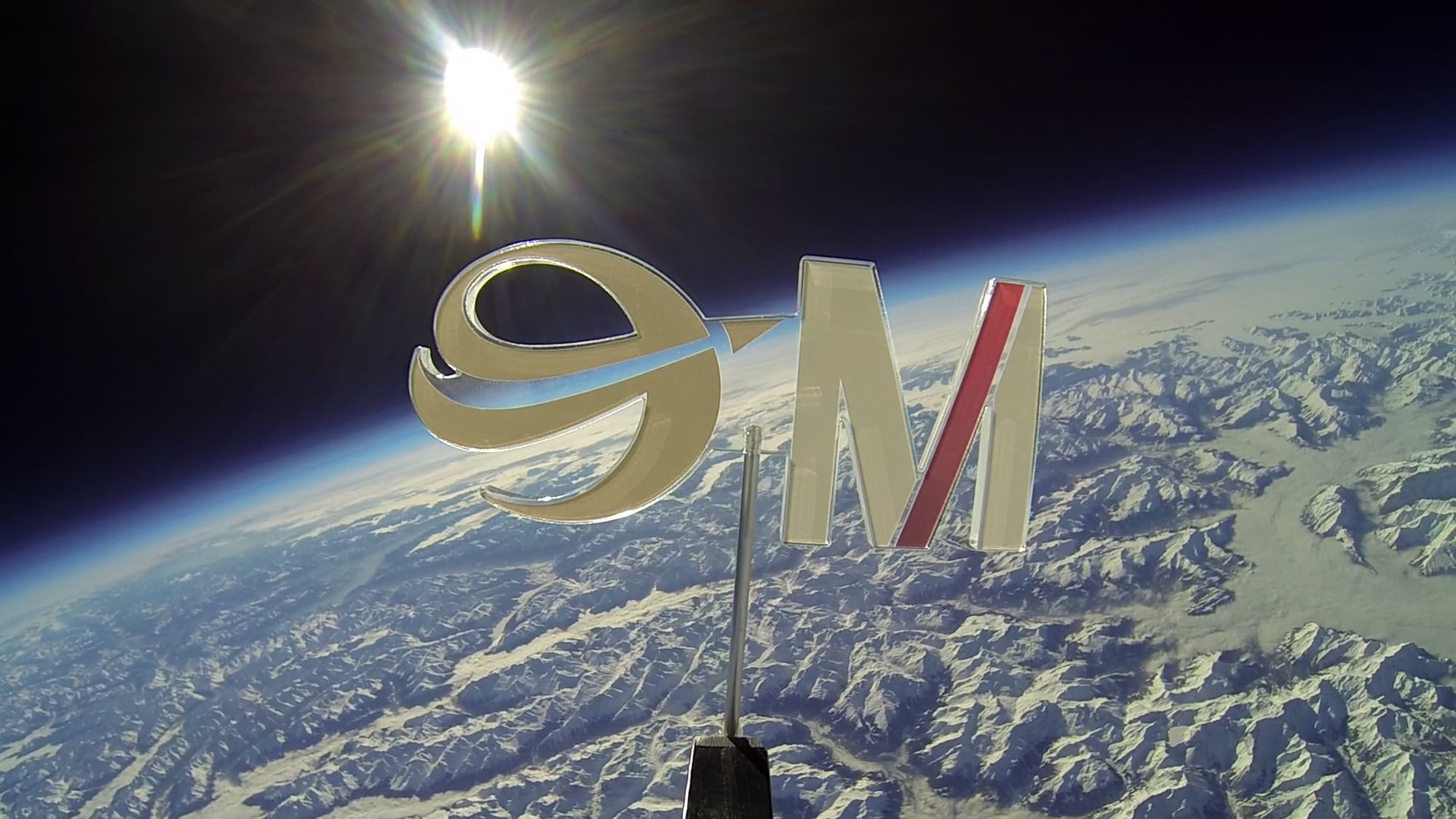
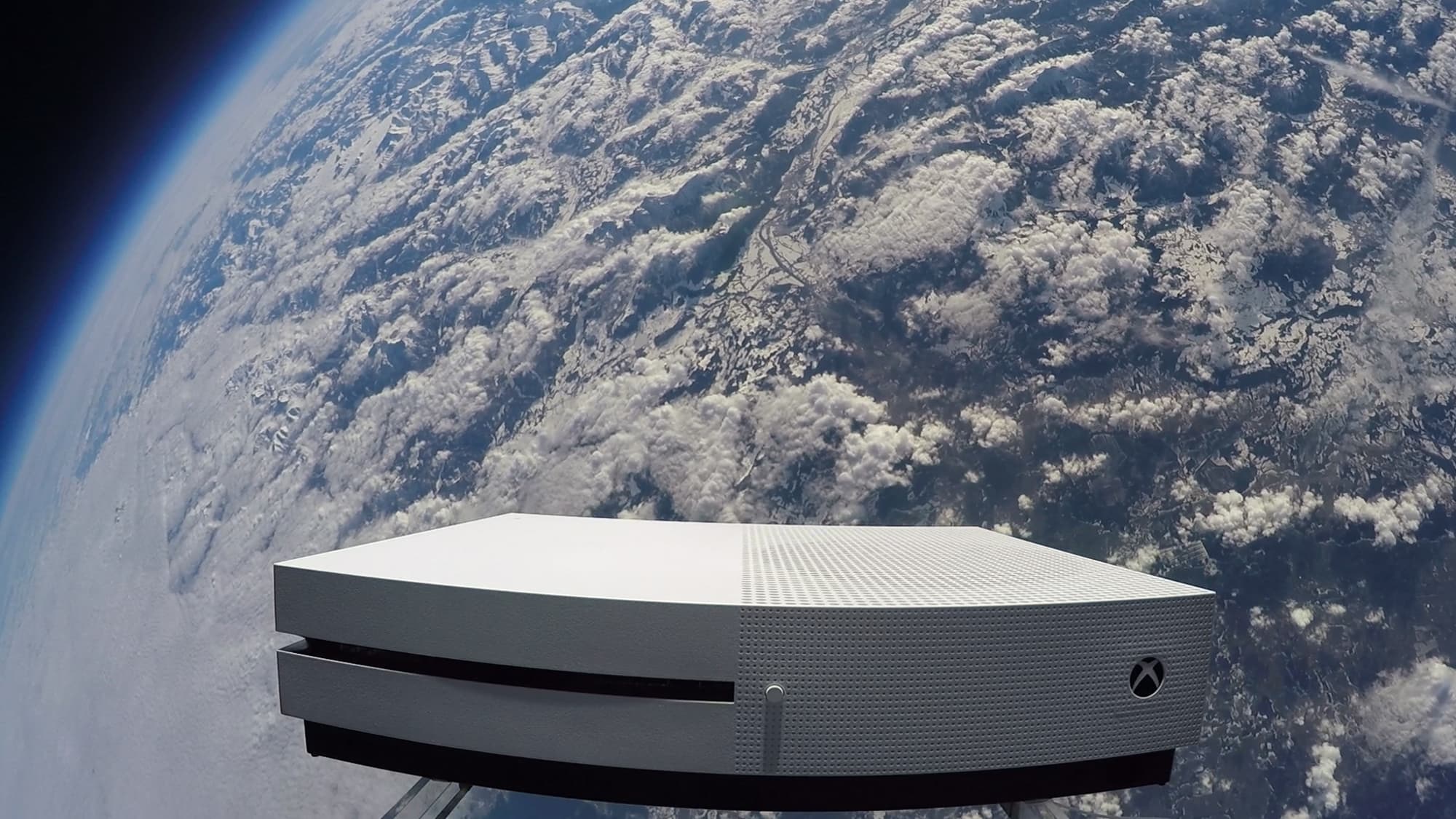
Sending objects or cameras into space creates powerful narratives for visual communication, which is why brands and production teams increasingly use such missions for high-impact marketing and advertising campaigns, product launches featuring real near-space footage, as well as commercials and documentaries. In addition, this approach is well suited for social media, public relations storytelling, and educational or corporate communication. Content that is genuinely sent into space stands out clearly from CGI or simulated visuals and conveys a strong sense of authenticity, ambition, and technical credibility.
Content that is genuinely sent into space stands out clearly from CGI or simulated visuals and conveys authenticity, ambition, and technical credibility.









Every mission in which equipment is sent to space requires professional planning and regulatory coordination. This includes weather forecasting, flight path modelling, aviation authority approvals, and continuous tracking throughout the mission. Payloads are protected by thermal and pressure-resistant housings to withstand extreme temperatures and low atmospheric pressure.
These measures ensure that each attempt to send to space cameras or objects is safe, legal, and predictable.





Compared to rocket launches, stratospheric balloons offer:
Compared to CGI, the results are real. When something is truly sent into space, the visuals and data are verifiable and trusted by audiences.